Lyme Disease: An Emerging Epidemic
One of the most controversial epidemics of all time is lyme disease. It was first discovered in the town of Old Lyme, Connecticut in the year 1975. It is caused by the bacteria Borrelia burgdorferi. Recently, there has been a high risk of this bacterial infection. This infection is spread through the bite of a black-legged tick. These ticks contain this disease from biting infected deer, raccoons, skunk, foxes, mice and chipmunks. The rates of lyme disease cases have been increasing 10 times more than those of AIDS. Taking a look at the following picture, lyme disease occurs mostly in the following areas: Northeastern, North-central, and in the West coast. Please take caution if you live in these areas!
United States of America: Risk of Lyme Disease
Where do you live?

http://www.azdhs.gov/phs/oids/vector/images/LymeDisease_map.jpg
One must always take upon and understand the risk factors. These risk factors include having pets that can carry these ticks home, mostly all outdoor activities, and being in high grass.
Prevention of Lyme Disease
It is important to be most aware during the warmer weather. To avoid direct contact with ticks it is recommended to walk in the center of trails, avoid unknown and bushy areas and keep a constant check on yourself and your pets if you have any. One major tip for prevention is the usage of bug repellent This tip should be applied, especially when hiking in wooded areas, to your skin and clothing. Because ticks are so small it is vital to check your scalp and sometimes clothing to be protected. Let's always take these ideas in mind to be more safe from these disturbing black-legged ticks.

http://www.newyorker.com/online/blogs/newsdesk/tick.jpg
The height of tick season takes place in the months of summer. This seems to be when most cases of lyme disease are discovered. These cases have been steadily increasing in the geographical areas where it has been found. In order for ticks to spread the bacteria to your blood, it must be attached to your skin for 24-36 hours. Please be aware that ticks are very easily overlooked on the body for they are almost microscopic. In all cases, it is important to know the symptoms of lyme disease so you can undergo treatment as soon as possible.
Symptoms of Lyme Disease
- depression
- stiff neck
- fatigue
- chills
- body-itching
- headache
Signs and Symptoms of Lyme Disease Video
http://www.youtube.com/watch?v=vfa5WFShXJA
There are three stages for Lyme Disease.
These stages are: 1) early localized lyme disease. This is when the bacteria hasn't spread yet throughout the body. 2) early disseminated lyme disease. This is when the bacteria begins to spread.
3) late disseminated lyme disease. This is when the bacteria has completely spread throughout the entire body.
http://msnbcmedia2.msn.com/j/MSNBC/Components/Photo/_new/090513-ticks-hmed-12p.grid-6x2.jpg
Stage 3 Issues
This is the stage where the patient is put under serious stress. In all cases, this stage should be avoided by proper treatment before-hand. Unfortunately, not every case is discovered before this stage. What makes this stage so serious? Well first-off, during this stage Lyme disease can cause long-term joint inflammation also known as arthritis. It can also cause brain, nerve, and heart problems. Heart problems begin with an irregular slow heartbeat that can be signalized from a shortness of breath. The neurological problems include meningitis, stiff neck, a paralysis of facial muscles, and numbness in certain areas of the body. These symptoms only occur from long periods of time undergoing an untreated infection. About 10% to 20% of patients experience lasting arthritis if they are untreated. It is common to experience painful swollen joints in the knees at first. The arthritis can move from one joint to another, shifting the pain to undesirable parts of the body.
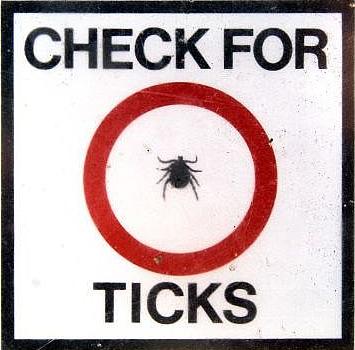
Let's keep an eye out for these tiny bloodsuckers!
http://img.geocaching.com/cache/5b2ccbb6-6387-43bb-a99c-032599affa33.jpg
References: 1) Halperin JJ, Shapiro ED, Logigian E, Belman AL, Dotevall L, Wormser GP, et al. Practice parameter: treatment of nervous system Lyme disease (an evidence-based review): report of the Quality Standards Subcommittee of the American Academy of Neurology. Neurology. 2007;69:91-102.
2) http://www.webmd.com/rheumatoid-arthritis/arthritis-lyme-disease
3) http://www.ncbi.nlm.nih.gov/pubmedhealth/PMH0002296/

1 comment:
I had no idea this was such a widespread issue, Joseph. Thanks for the solid reporting of facts and suggestions for precautions.
Post a Comment